The Hidden Problem with Clearing Land and Leaving It Bare
Need this done? See our Land Clearing NC services →
Freshly cleared land has a strange appeal — it looks clean, open, and ready. Many property owners want to stop there for a while before deciding what to do next. Here's what actually happens during that "while."
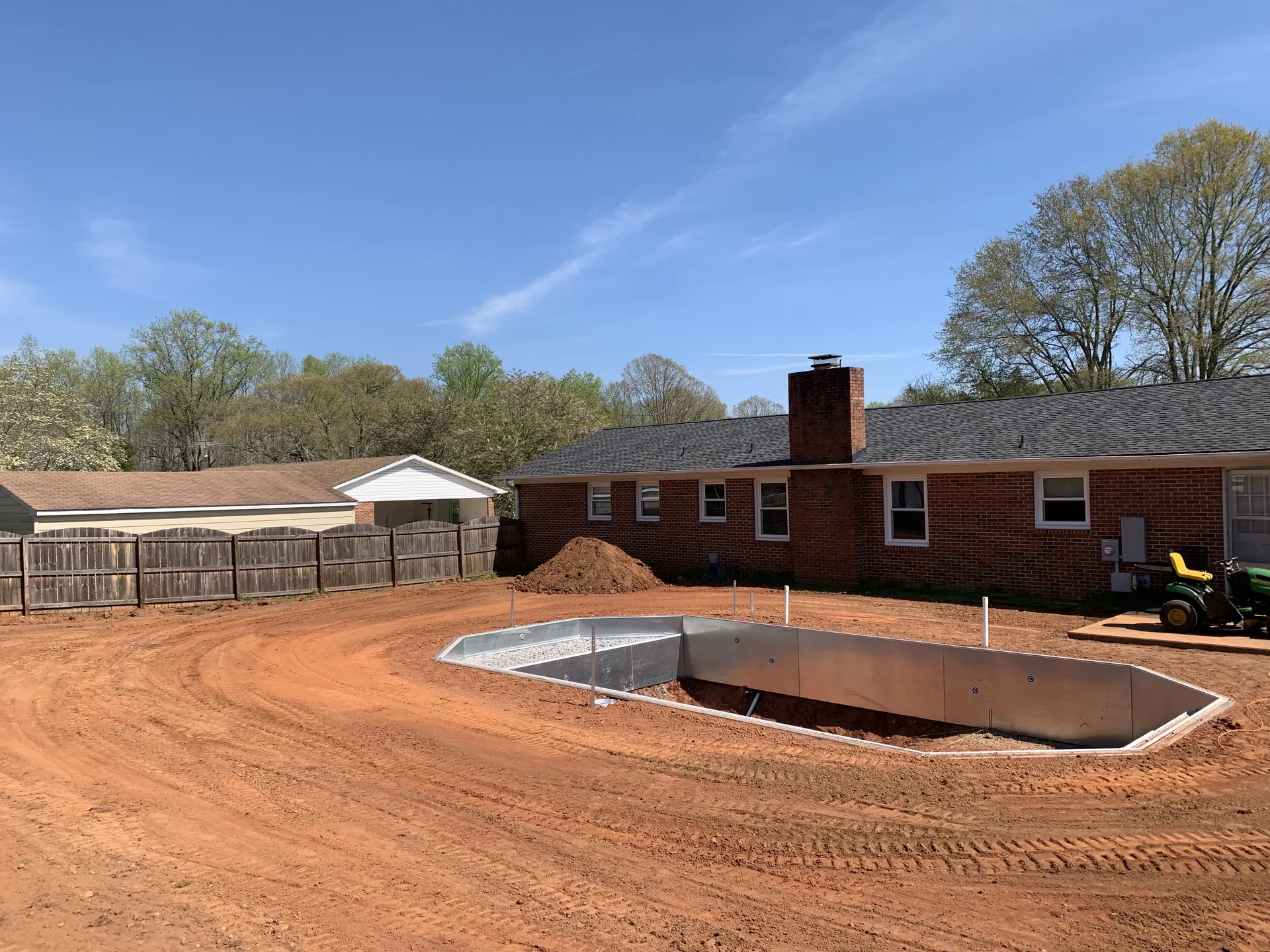
What Happens to Bare Soil in NC
First rain (within days): Surface erosion begins. Raindrops hit unprotected soil and dislodge particles, carrying them downslope. Light silt runs off with every shower. You won't see much at first, but it's happening with every rain event.
First month: Weed seed germination begins. NC's disturbed soil weed community — pokeweed, pigweed, horseweed, and invasive species like Japanese stiltgrass — germinates within 2–4 weeks of soil disturbance. These aren't charming wildflowers; they're aggressive pioneers that can outcompete anything you want to plant within 6 months.
First season: Soil compaction from rain impact increases surface runoff. The fine silt particles that erode first are the most fertile part of your soil — the organic-rich material that took decades to develop. Once it's gone, it doesn't come back quickly.
Year 1–2: Without intervention, bare cleared land in NC becomes a dense stand of invasive annual and perennial weeds. Clearing them out to plant what you actually want becomes a significant additional cost — often more expensive than if you'd stabilized immediately after clearing.
The Drainage Consequence
Bare soil also dramatically changes how your land handles water. Where trees and vegetation once intercepted rain, absorbed it through roots, and slowly released it to the soil, bare land delivers 100% of rainfall directly to the surface with nothing to slow or absorb it. Runoff increases, the downstream areas of your property become wetter, and erosion accelerates in low spots.
What to Do Instead
Stabilize cleared land immediately — within days of clearing if possible, before the first rain. Options:
- Seed immediately: A temporary cover crop (annual rye in fall/winter, buckwheat in spring/summer) establishes in 7–14 days and holds soil until you're ready for permanent planting.
- Forestry mulch in place: The biggest advantage of forestry mulching — the mulch stays on the ground and immediately stabilizes soil, suppresses weeds, and retains moisture.
- Erosion blanket: On slopes, biodegradable erosion blankets buy time for seeding to establish.
The cost of immediate stabilization is always less than the cost of dealing with erosion, invasive weeds, or drainage problems that develop from neglected bare soil.
Why "I'll Decide Later" Costs More Than It Seems
It's a common plan: clear the land now, figure out the final landscaping later once budget or timing works out. The problem is that "later" isn't neutral — the land actively degrades while you wait. Every month of bare, unstabilized soil is another round of erosion carrying away topsoil, another wave of invasive weed seed establishing, and another rain event compacting the surface further. By the time budget allows for the "real" landscaping project, you're often not starting from the clean slate you cleared — you're starting from a weed-choked, eroded, compacted site that needs its own remediation before the landscaping can even begin.
Regulatory Risk, Too
Beyond the soil and cost issues, bare disturbed land over a certain size can trigger NC erosion control compliance concerns, particularly if runoff is visibly affecting a neighboring property or a nearby stream. Local jurisdictions can require remediation if erosion becomes a documented problem, which turns a "wait and see" approach into a compliance issue on top of everything else. Stabilizing immediately avoids this entirely — it's not just about soil health, it's about not creating a regulatory headache for yourself.
The Cheapest Insurance on the Project
Compared to the total cost of a clearing project, immediate stabilization — whether that's leaving forestry mulch in place or seeding a temporary cover crop — is a small fraction of the overall budget. It's the cheapest insurance available against having to redo erosion repair, weed removal, and soil restoration work that a little upfront planning would have prevented entirely.
We Stabilize as We Clear
Every clearing project includes immediate soil stabilization. Free estimate for Triad NC.
📞 Call (336) 967-4194Or Get a Free Estimate Online →