Do You Need a Retention Pond on Your Property? (NC Guide)
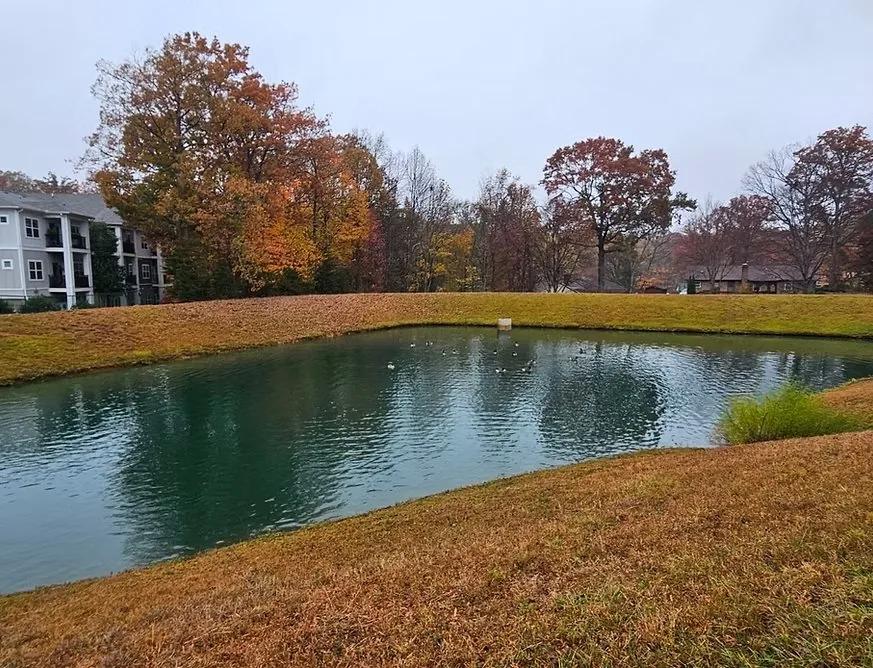
Need this done? See our Retention Pond Design services →
People ask about retention ponds for different reasons: some are required by NC stormwater regulations, some are considering one for water management, and some have seen one on a neighbor's property and wonder if they need one too. Here's how to think through it for your specific situation.
When NC Regulations Require a Retention Pond
North Carolina's NCDEQ stormwater regulations require stormwater management BMPs (Best Management Practices) for certain types of development. Retention ponds — also called wet detention ponds — are one of the most common BMP types. You're likely required to have one if:
- You're developing land with more than 1 acre of disturbance
- Your project adds more than a specific amount of impervious surface (varies by local jurisdiction)
- Your property is in a Phase II MS4 permit area (most urban/suburban areas in the Triad)
- You're in a nutrient-sensitive watershed with additional runoff requirements
If any of these apply to your project, a retention pond isn't optional — it's part of getting your permit. We help navigate the design and permitting process.
When a Retention Pond Makes Sense Without Being Required
For larger rural properties — 5+ acres — a retention pond can be an excellent voluntary stormwater management tool. It captures runoff from the property, allows sediment to settle out before water leaves the site, and provides a consistent water source for wildlife and irrigation. The pond also becomes a genuine landscape feature when properly designed.
When a Retention Pond Is Not the Right Answer
For most residential yards, a retention pond is overkill and the wrong solution. A typical residential drainage problem — wet yard, foundation pooling, soggy spots — is better solved with French drains, catch basins, and proper grading. These solve the problem faster, at lower cost, and without the ongoing maintenance a pond requires.
Retention Pond vs. Detention Pond: A Distinction That Matters
These terms get used interchangeably but they're not the same thing. A detention pond is designed to be dry most of the time — it fills during and after a storm, then drains completely over a day or two, holding no permanent water. A retention pond (sometimes called a wet pond) maintains a permanent pool of water year-round, with storm runoff raising the water level temporarily before slowly releasing the excess. Which one your project needs — or is required to have — depends on your local jurisdiction's stormwater ordinance and the specifics of your site. This is exactly the kind of detail that gets sorted out during the permitting and design phase, not guessed at beforehand.
What Sizing Actually Depends On
A pond's required size isn't arbitrary — it's calculated from your property's impervious surface area (roof, driveway, patios, anything water can't soak into), the size of the drainage area feeding into it, and the specific stormwater volume your local ordinance requires you to manage. More impervious surface means more runoff, which means a larger pond. This is one of the first things a proper design accounts for, and it's why a retention pond sized for a half-acre lot with a small footprint looks nothing like one sized for a 2-acre commercial development.
Ongoing Maintenance Reality
If you do move forward with a pond — required or voluntary — budget for real upkeep. Annual inspections check the inlet, outlet, and embankment for erosion or blockage. Sediment builds up over the years and needs periodic removal to maintain the pond's designed capacity. Vegetation around the banks needs management so it doesn't choke the inlet or outlet structures. Neglected ponds lose capacity gradually, which defeats the purpose they were built for in the first place — a maintenance plan from day one avoids that slow failure.
Not Sure What Your Property Needs?
Free on-site assessment. We'll tell you honestly whether a pond makes sense — or what does.
📞 Call (336) 967-4194Or Get a Free Estimate Online →