Can You Grade Your Yard Yourself? Honest Pros & Cons
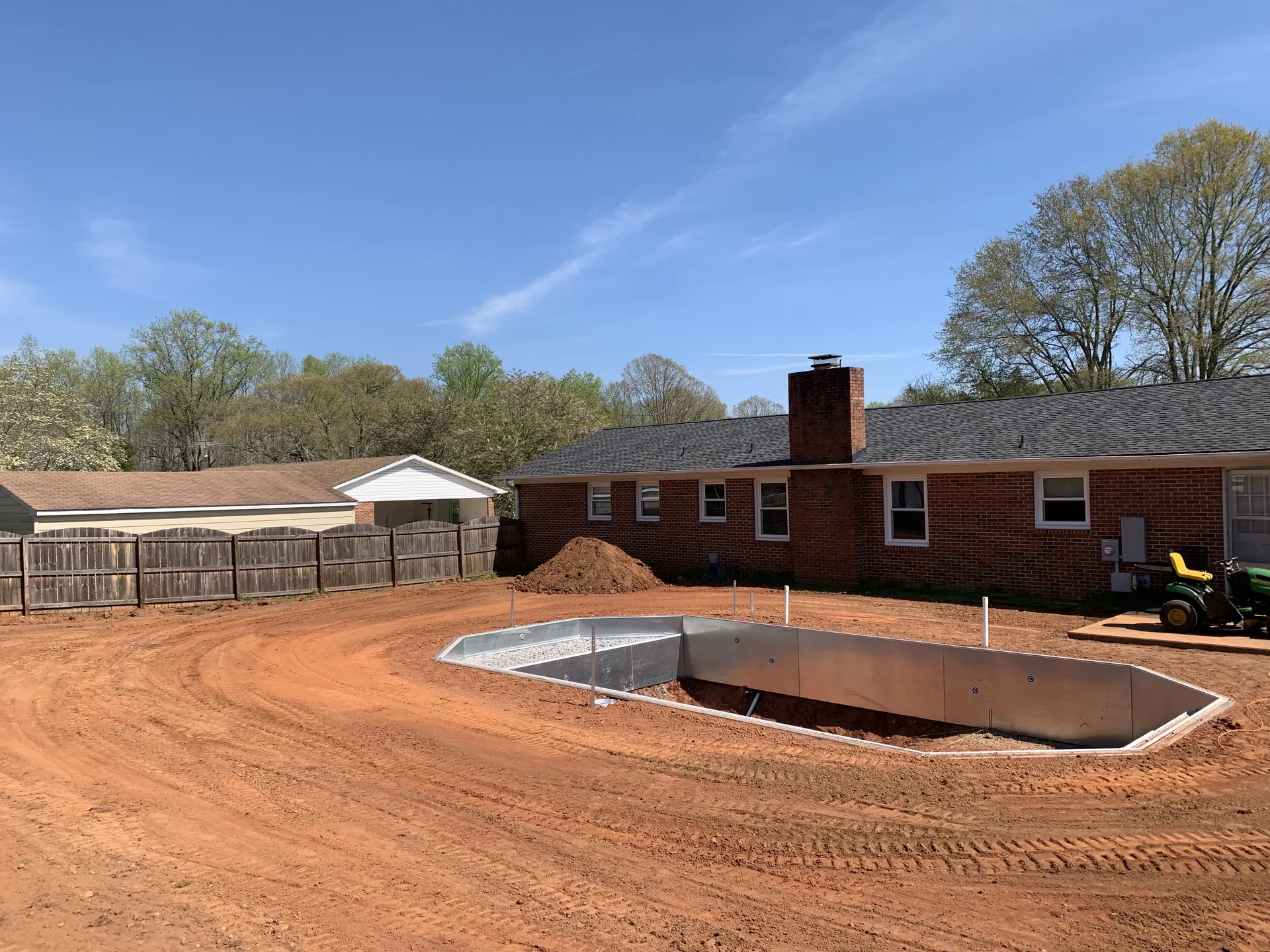
Need this done? See our Land Clearing & Grading services →
We're going to be honest with you here — because we think that's what actually builds trust. Yes, you can grade your yard yourself in some cases. Here's exactly when it makes sense, when it doesn't, and what to watch out for either way.
| Situation | DIY? | Why |
|---|---|---|
| Small low spot, <50 sq ft | Maybe | Manageable with a wheelbarrow and topsoil |
| Foundation perimeter grading | No | Requires precision and proper compaction |
| Whole-yard regrade | No | Needs equipment, survey knowledge, proper outlets |
| Lawn leveling for aesthetics | Yes | Topdressing with sand/compost mix is DIY-friendly |
| Drainage swale cutting | Maybe | Simple swales yes; anything near foundations, no |
When DIY Makes Sense
Small, isolated low spots: If you have a specific low spot in the lawn — maybe 20–50 square feet — that collects water after rain, you can often fix this yourself. Topdressing with a sandy topsoil mix and reseeding is a reasonable DIY project. Build up the low area gradually over 2–3 applications rather than dumping a pile all at once.
Lawn leveling: Using a leveling mix (50% sand, 50% compost) to even out minor lumps and bumps in established lawn is a standard DIY task. This improves surface drainage and smoothness without requiring any heavy equipment.
When to Call a Pro
Foundation perimeter: The grade immediately around your house needs to be precise — too little slope and water pools, too much and you create erosion. It also needs proper compaction so the soil doesn't settle again quickly. Get this one wrong and you've potentially made your foundation water situation worse.
Significant water problems: If you've got persistent standing water, soggy soil, or erosion, you likely have a drainage infrastructure problem — not just a grading problem. Adding dirt on top of a drainage problem usually makes the drainage problem worse because you're raising the surface without creating an exit path for the water.
Heavy equipment required: Regrading more than a few hundred square feet of yard, cutting swales, or addressing significant grade changes across a full yard requires a skid steer or mini excavator. Renting equipment without experience usually results in more mess than improvement.
The Mistake We See Most Often
Homeowners buy a few yards of topsoil, spread it over the wet area, and plant grass. It looks better for a few weeks. Then the water problem comes back because the water still has nowhere to go — the topsoil just filled in the visible symptom without fixing the cause.
If the ground is wet, there's a reason. Find the reason first, then decide on the fix. Sometimes that's a DIY topsoil application. Often it's something more involved.
Tools and Materials for a Legitimate Small DIY Fix
If you've confirmed your situation genuinely fits the "small, isolated low spot" category, here's what a proper DIY fix actually requires: a sandy topsoil or a 50/50 sand-compost blend (avoid pure clay fill, which compacts poorly and can make drainage worse), a rake and hand tamper for compaction between layers, and grass seed or sod matched to the rest of your lawn. Build the fill in 1–2 inch layers, lightly compacting each before adding the next — dumping the full depth at once leads to uneven settling that recreates the low spot within a season.
How to Tell If You're in Over Your Head Mid-Project
Sometimes a project that looked like a simple low-spot fix reveals itself to be bigger once you start digging — literally. If you dig into the area and hit standing water below the surface, find soil that's saturated more than a few inches down regardless of recent rain, or notice the "low spot" is actually part of a much larger flat or reverse-sloped area, that's your signal this has moved from a DIY topdressing job to an actual grading or drainage problem. Stopping at that point and calling for an assessment is a lot cheaper than finishing the DIY fix and watching it fail in the next storm.
Not Sure What You're Dealing With?
Free on-site evaluation. We'll tell you honestly whether it's a DIY fix or needs professional work.
📞 Call (336) 967-4194Or Get a Free Estimate Online →