Best Time to Install Sod in North Carolina
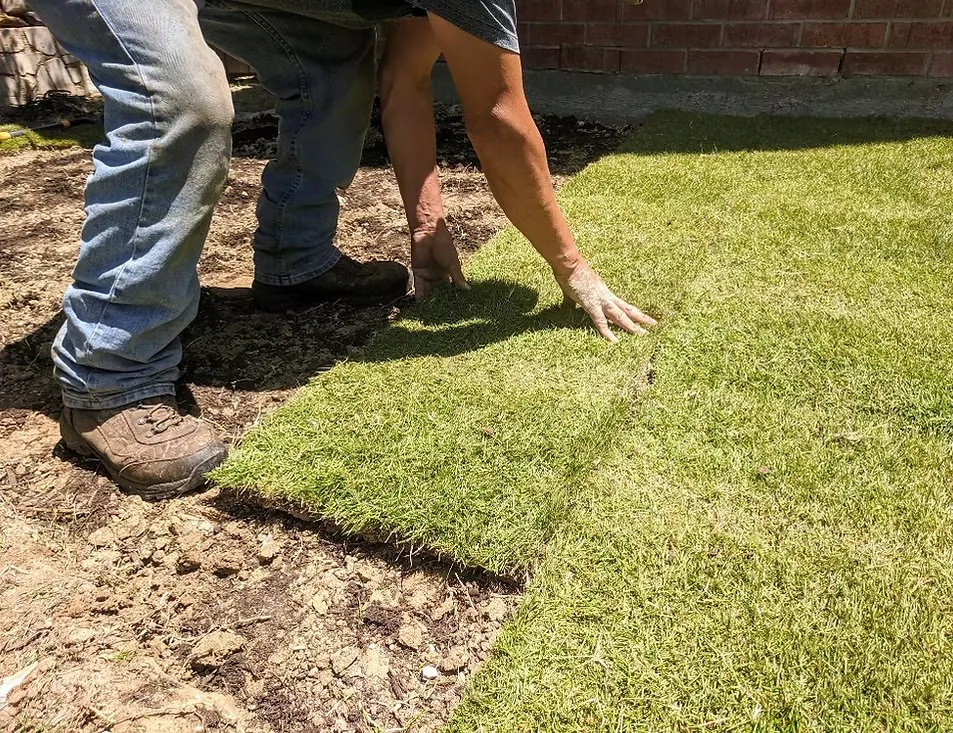
Need this done? See our Landscaping & Lawn Care services →
North Carolina sits in a transition zone for turfgrass — warm-season grasses thrive in the summer heat, cool-season grasses in the mild winters and springs. The right installation window depends entirely on which type of grass you're planting.
Warm-Season Grasses (Bermuda, Zoysia, Centipede, St. Augustine)
Best installation window: Late April through July
Warm-season grasses go dormant in winter and green up in late spring. They establish best when soil temperatures are consistently above 65°F and you have the whole growing season ahead of you for root development. Installing in late spring gives the sod maximum time to establish before its first dormancy cycle.
- Bermuda: The most heat and drought tolerant. Good for high-traffic areas and full-sun yards. Best installed May–June in NC.
- Zoysia: Dense, low-maintenance, handles shade better than Bermuda. Slower to establish — benefit most from early installation (April–May).
- Centipede: Low-maintenance, good for NC's acidic soils. Best May–June.
Cool-Season Grasses (Tall Fescue, Kentucky Bluegrass)
Best installation window: September through October
Cool-season grasses grow actively in the 50–75°F range — NC's spring and fall. Fall installation is significantly better than spring: soil is warm enough for fast rooting, air temperatures are mild for the grass blades, and you avoid the summer heat stress that kills newly sodded cool-season lawns before they establish.
- Tall Fescue: The dominant cool-season grass in the NC Piedmont. Deep roots handle summer drought better than bluegrass. Best installed mid-September through October.
What Happens When You Install at the Wrong Time
Cool-season sod installed in July in Greensboro faces 95°F+ temperatures before it has a root system. Without established roots to access deep moisture, it requires constant watering to survive — and often doesn't. Warm-season sod installed in October goes dormant before establishing roots. Either scenario is money lost.
The Prep Work That Matters More Than Timing
Even perfectly timed sod fails on improperly prepared soil. The ground must be graded correctly (proper slope for drainage), stripped of old vegetation, amended if the soil pH is off (NC soils trend acidic), and raked to a smooth, firm surface. We handle all of this as part of sod installation — the prep is where we catch and fix problems that would cause the sod to fail regardless of timing.
The First Two Weeks After Installation
Timing gets the sod off to a good start, but the first two weeks determine whether it actually takes root. Fresh sod needs daily watering — enough to keep the top inch of soil consistently moist, without pooling — until roots begin knitting into the ground underneath, usually 10–14 days. Skipping even a few days during that window in NC's summer heat can undo an otherwise perfectly timed installation. After roots establish, watering tapers to a normal deep-and-infrequent schedule, and mowing can begin once the sod resists a gentle tug.
Can You Sod Outside the Ideal Windows?
Sometimes, with tradeoffs. Warm-season sod installed slightly early (April) or a bit later (August) can still succeed with more attentive watering, though it's working against less favorable temperatures. Cool-season fescue pushed into late fall or early spring has a narrower margin for error since it's racing against summer heat on one side and winter dormancy on the other. If your project timeline doesn't line up with the ideal window, it's worth a conversation about whether to adjust the schedule or plan for more intensive establishment care — going in with realistic expectations beats a surprise failure in August.
Seeding vs. Sod: A Timing Note
If budget allows flexibility, seeding follows the same seasonal logic as sod but with an even narrower ideal window, since seed needs consistent moisture and mild temperatures to germinate before it can tolerate any stress at all. Sod skips the germination risk entirely — you're installing an already-established root mat — which is a big part of why sod has a wider effective installation window and more predictable results, even though it costs more upfront than seed.
Ready for a Real Lawn?
We install sod at the right time with the right prep. Free estimate for Triad NC properties.
📞 Call (336) 967-4194Or Get a Free Estimate Online →